Vermont is known for its stunning natural beauty, from the Green Mountains to the Lake Champlain shoreline. The state’s unique geography and climate support a diverse range of ecosystems, including forests, wetlands, and wildlife habitats. To appreciate and protect these ecosystems, it’s essential to understand the complex relationships between living organisms and their environments.
Studying ecology in Vermont can be a fascinating and rewarding experience, especially with the help of interactive and engaging educational tools. Printable worksheets about Vermont’s ecology can provide a valuable resource for students, teachers, and nature enthusiasts alike. By incorporating questions and activities into these worksheets, learners can develop a deeper understanding of the state’s ecological systems and the importance of conservation.
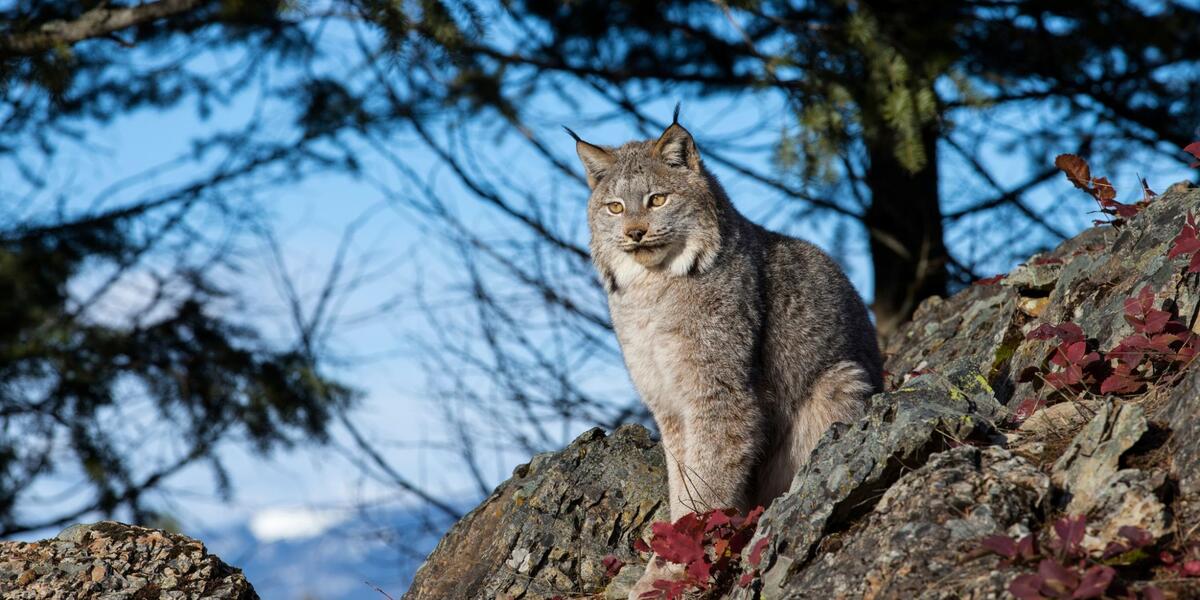
Rare Lynx Sightings Put Carnivores And Wildlands In The Spotlight
Understanding Vermont’s Ecosystems
Vermont’s ecosystems are characterized by a mix of deciduous and coniferous forests, as well as numerous wetlands and waterways. The state is home to a wide variety of plant and animal species, many of which are found nowhere else in the world. To understand these ecosystems, it’s crucial to study the interconnected relationships between species, habitats, and environmental factors. Printable worksheets can help learners identify and explore these relationships, using questions and activities to guide their discovery.
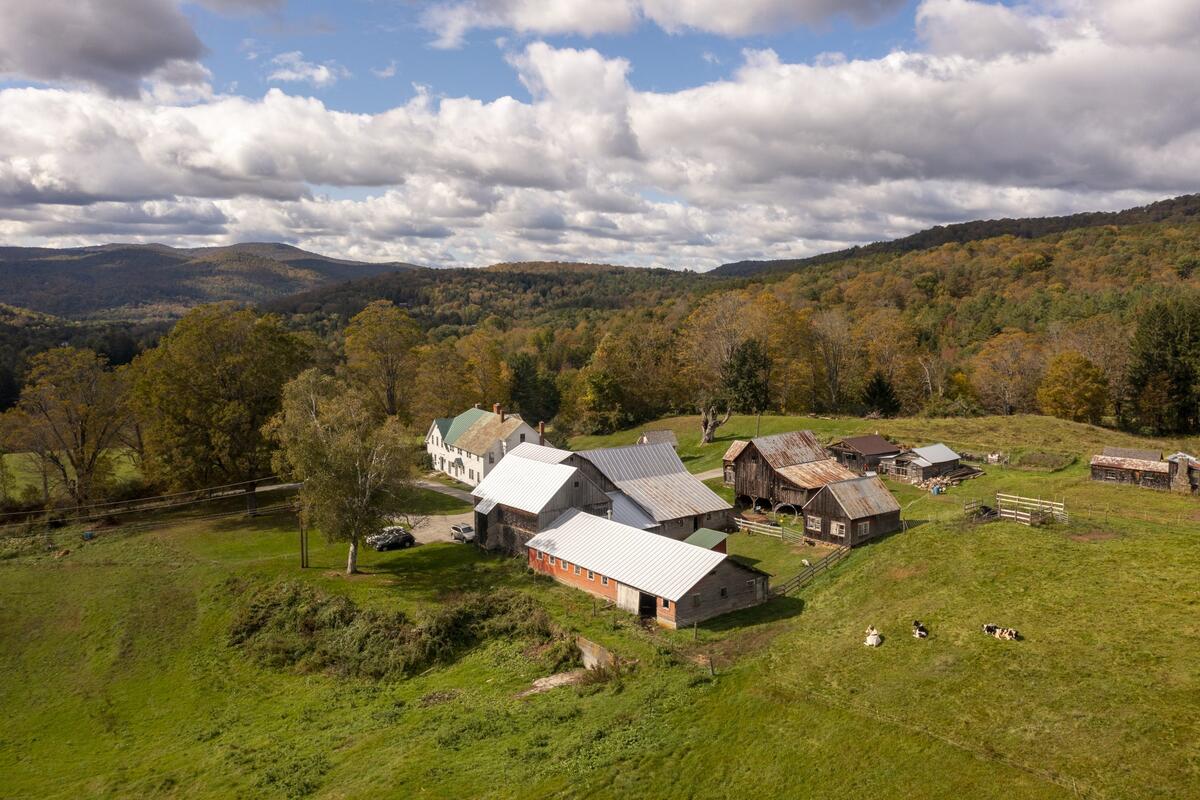
Vermont S Only National Park May Expand VTDigger
Conservation Efforts in Vermont
Conservation efforts are essential to protecting Vermont’s ecosystems and the many species that depend on them. The state has implemented various initiatives to preserve and restore natural habitats, including reforestation programs, wildlife corridors, and water quality management. By learning about these efforts through printable worksheets and questions, students can develop an appreciation for the importance of conservation and the role they can play in protecting Vermont’s natural environment.
Educational Resources for Vermont’s Ecology
For educators and students looking to explore Vermont’s ecology, there are many valuable resources available. Printable worksheets with questions can be used in the classroom or at home, providing a flexible and engaging way to learn about the state’s ecosystems. Additionally, online resources, field guides, and educational programs can offer further opportunities for exploration and discovery. By leveraging these resources, learners can gain a deeper understanding of Vermont’s ecology and develop a lifelong appreciation for the natural world.
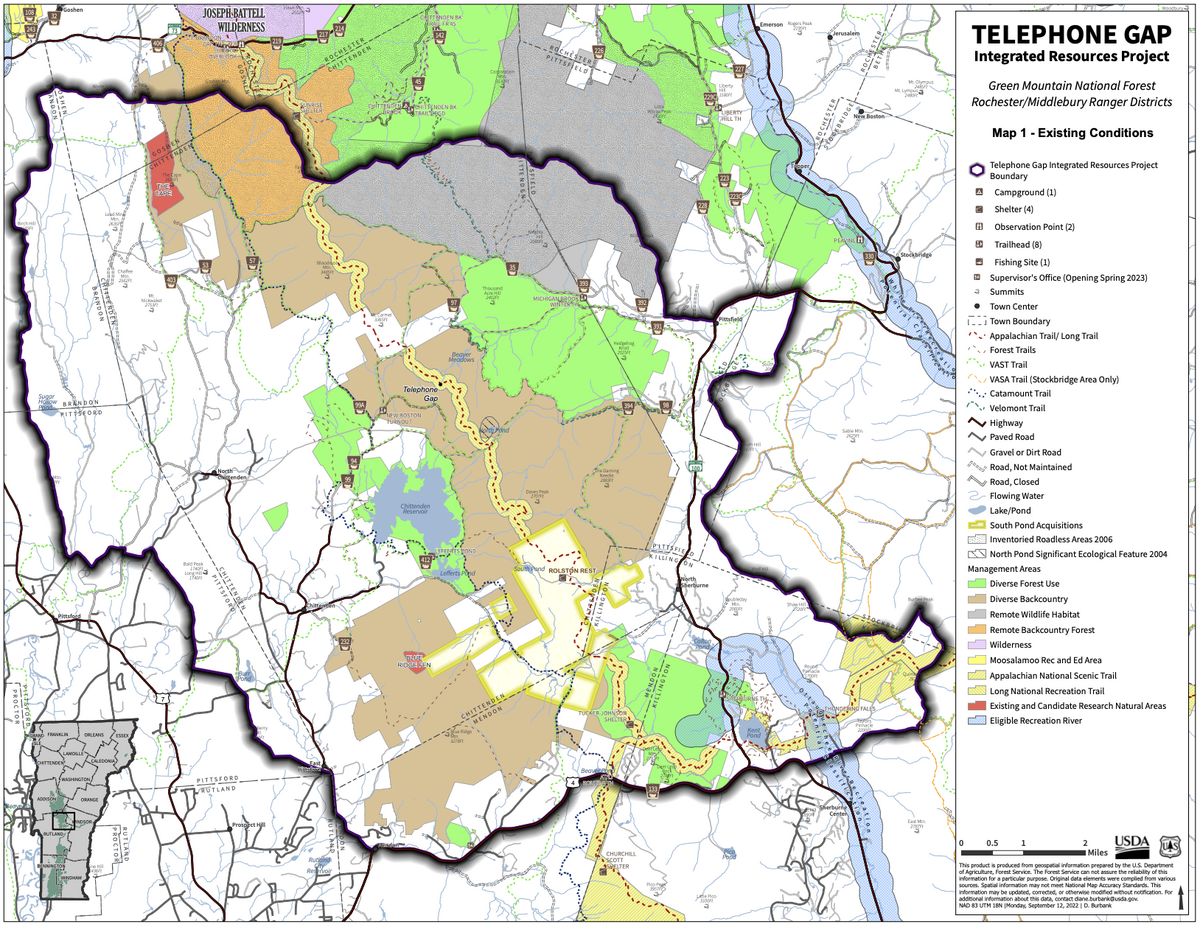
The Telephone Gap Integrated Resource Project Paves The Way For Innovative Ecological Forestry On The Green Mountain National Forest In Vermont Vermont Natural Resources Council
By using printable worksheets with questions to explore Vermont’s ecology, learners can develop essential skills in critical thinking, problem-solving, and environmental awareness. These skills can benefit not only the individual but also the community, as a more informed and engaged citizenry is better equipped to address the complex environmental challenges facing the state. As Vermont continues to evolve and grow, it’s essential to prioritize ecological education and conservation, ensuring a healthy and sustainable future for generations to come.
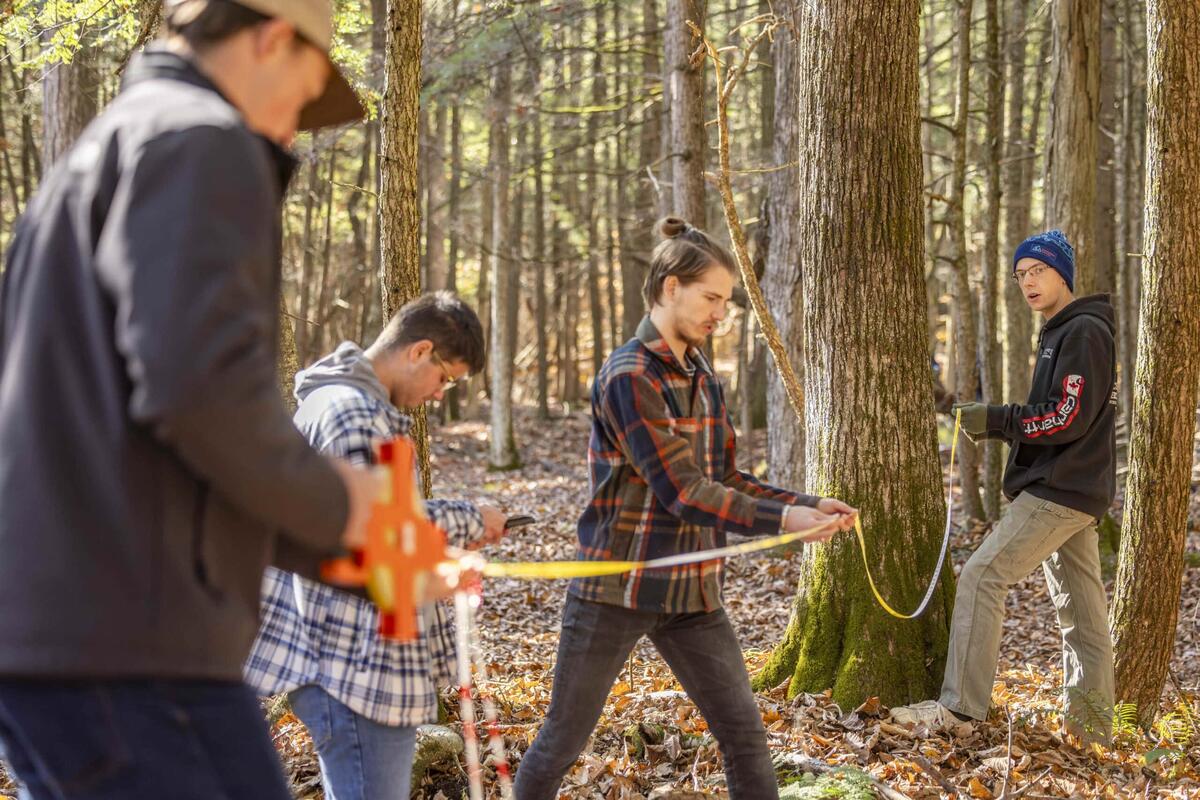
Wildlife Forest Conservation B S Vermont State University
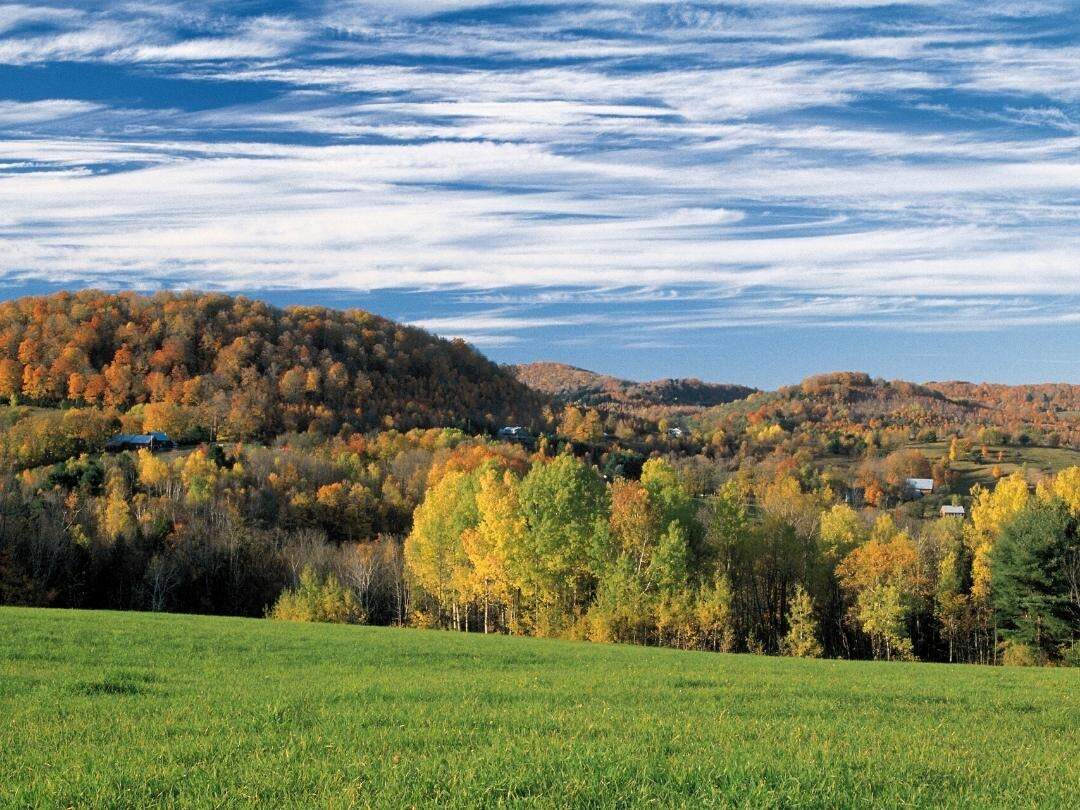
Investigating Vermont Landscapes Vermont Institute Of Natural Science