Health education is a critical component of disease prevention and management. By understanding the differences between communicable and noncommunicable diseases, individuals can take proactive steps to protect their health and the health of those around them. Communicable diseases, such as influenza and tuberculosis, can be spread from person to person, while noncommunicable diseases, like heart disease and diabetes, are not contagious but can be influenced by lifestyle factors.
The importance of distinguishing between these two categories of diseases cannot be overstated. Effective prevention and treatment strategies depend on a clear understanding of how diseases are transmitted and what factors contribute to their development. For communicable diseases, this might involve vaccination programs and public health campaigns to promote hygiene and safe practices. For noncommunicable diseases, efforts might focus on encouraging healthy diets, regular physical activity, and avoiding harmful substances like tobacco.
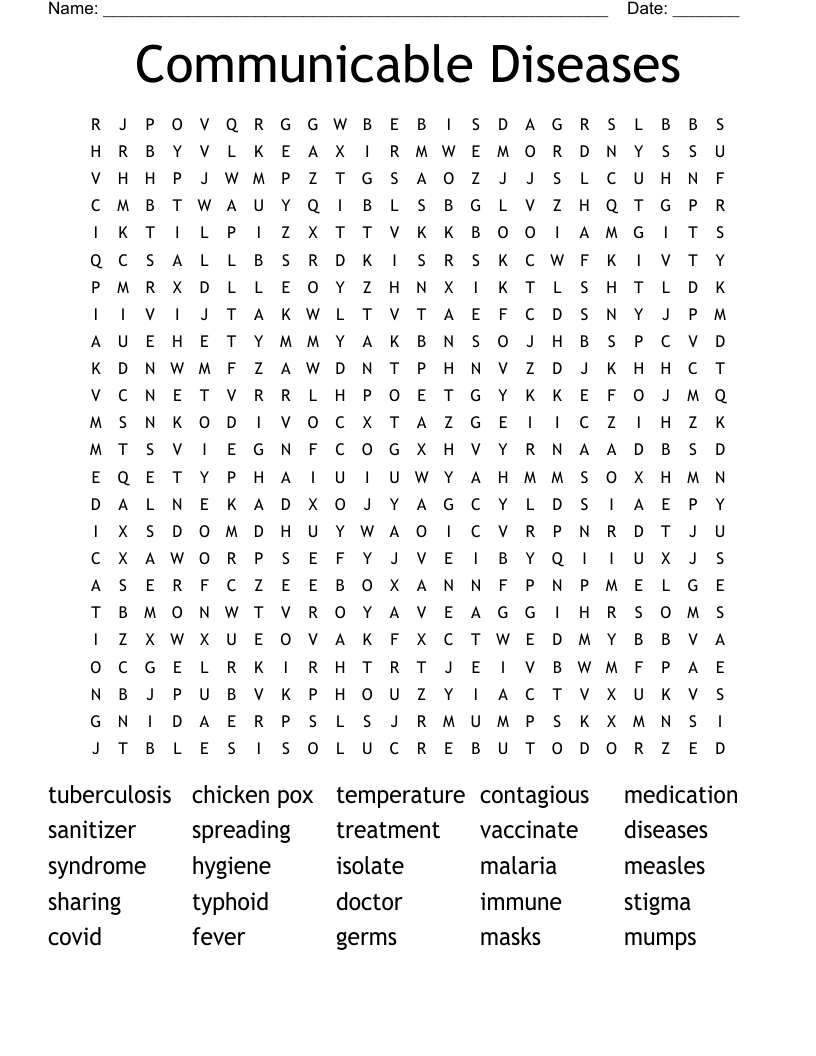
Communicable And Non Communicable Diseases Crossword WordMint
Understanding Communicable Diseases
Communicable diseases are a significant public health concern due to their potential to cause outbreaks and epidemics. These diseases can spread through various means, including direct contact with an infected person, contaminated food and water, or through vectors like mosquitoes and ticks. Understanding the modes of transmission is crucial for developing effective strategies to control and prevent the spread of communicable diseases. Educational resources, such as worksheets, can play a vital role in disseminating this information to the public.
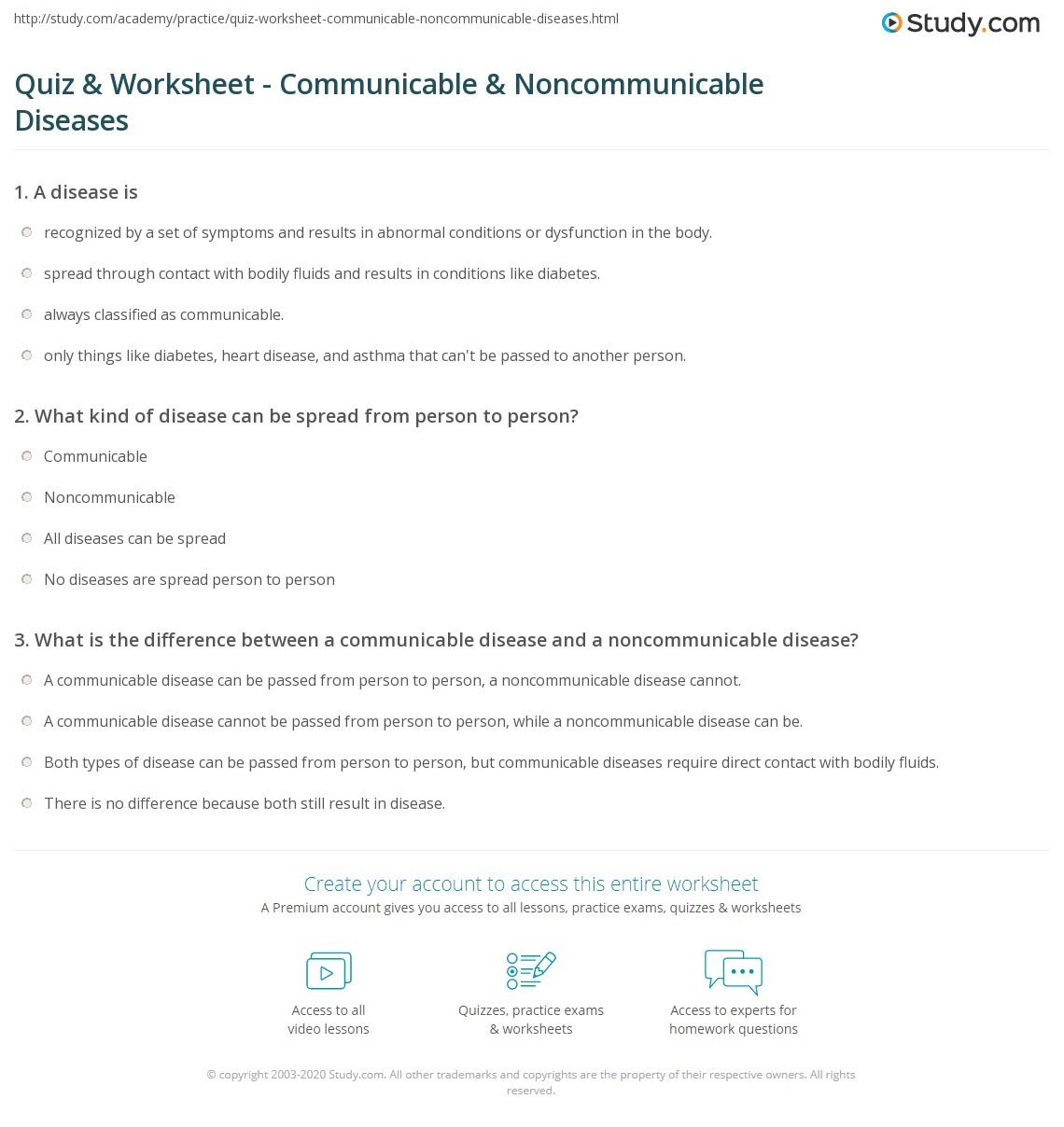
Quiz Worksheet Communicable Noncommunicable Diseases Study
Exploring Noncommunicable Diseases
Noncommunicable diseases, on the other hand, are the leading causes of death and disability worldwide. They include conditions like cancer, cardiovascular diseases, and chronic respiratory diseases. The risk factors for these diseases are often related to lifestyle choices and environmental conditions, making public health education a key component of prevention efforts. By educating individuals about the risks associated with tobacco use, physical inactivity, and unhealthy diets, communities can work together to reduce the incidence of noncommunicable diseases.
Applying Knowledge with Worksheets
Applying knowledge about communicable and noncommunicable diseases in real-world scenarios is essential for their prevention and management. Printable worksheets designed to educate about these diseases can be invaluable tools for health educators. They can include quizzes, puzzles, and exercises that test understanding and encourage further learning. For students and the general public, these worksheets can provide a engaging and interactive way to grasp complex health concepts, making them more memorable and applicable in daily life.
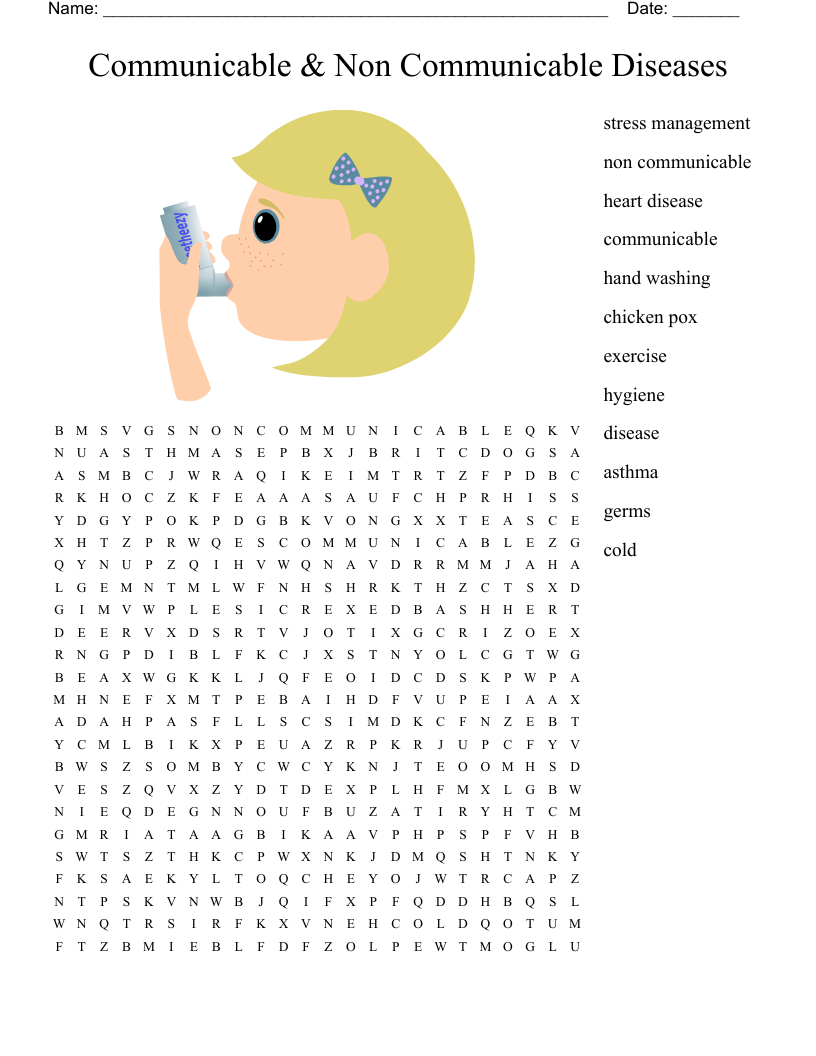
Communicable Non Communicable Diseases Word Search WordMint
In conclusion, the use of printable communicable and noncommunicable diseases worksheets is a practical approach to enhancing health literacy. By leveraging these educational tools, individuals can gain a deeper understanding of the causes, symptoms, and prevention strategies for various diseases. This knowledge empowers people to make informed decisions about their health, contributing to healthier communities and reducing the global burden of disease. Whether used in classrooms, community centers, or at home, these worksheets are a valuable resource in the pursuit of better health outcomes.
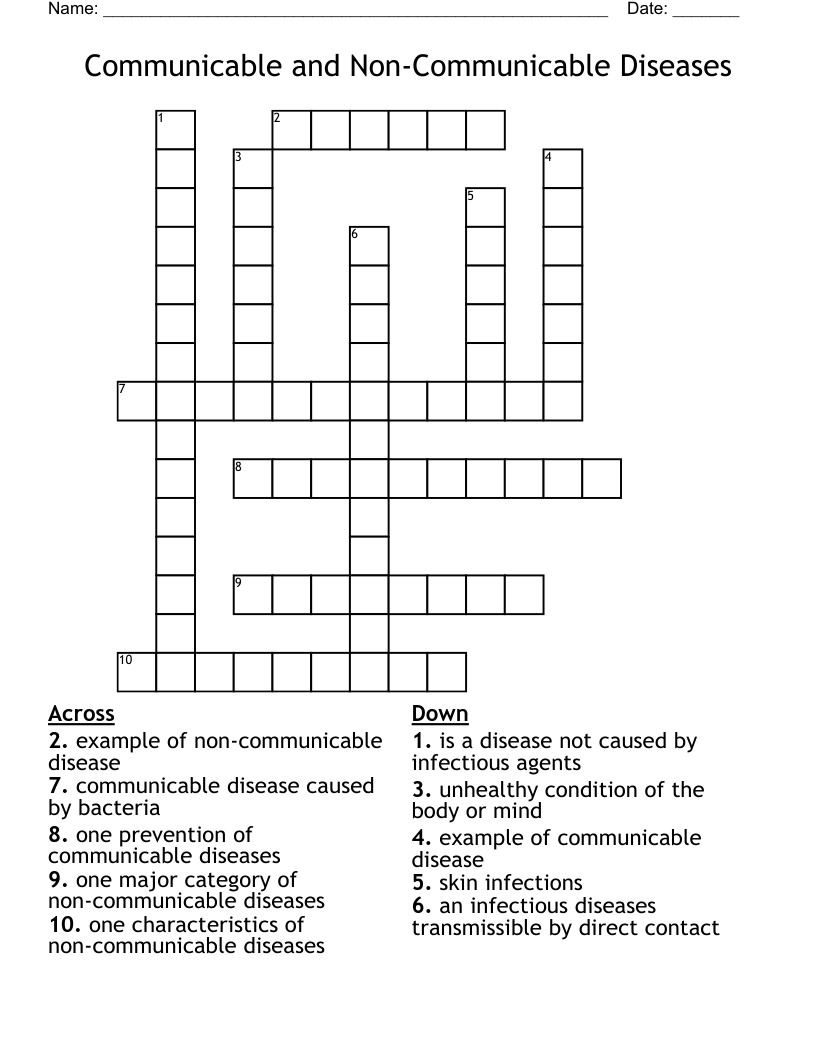
Communicable And Non Communicable Diseases Crossword WordMint
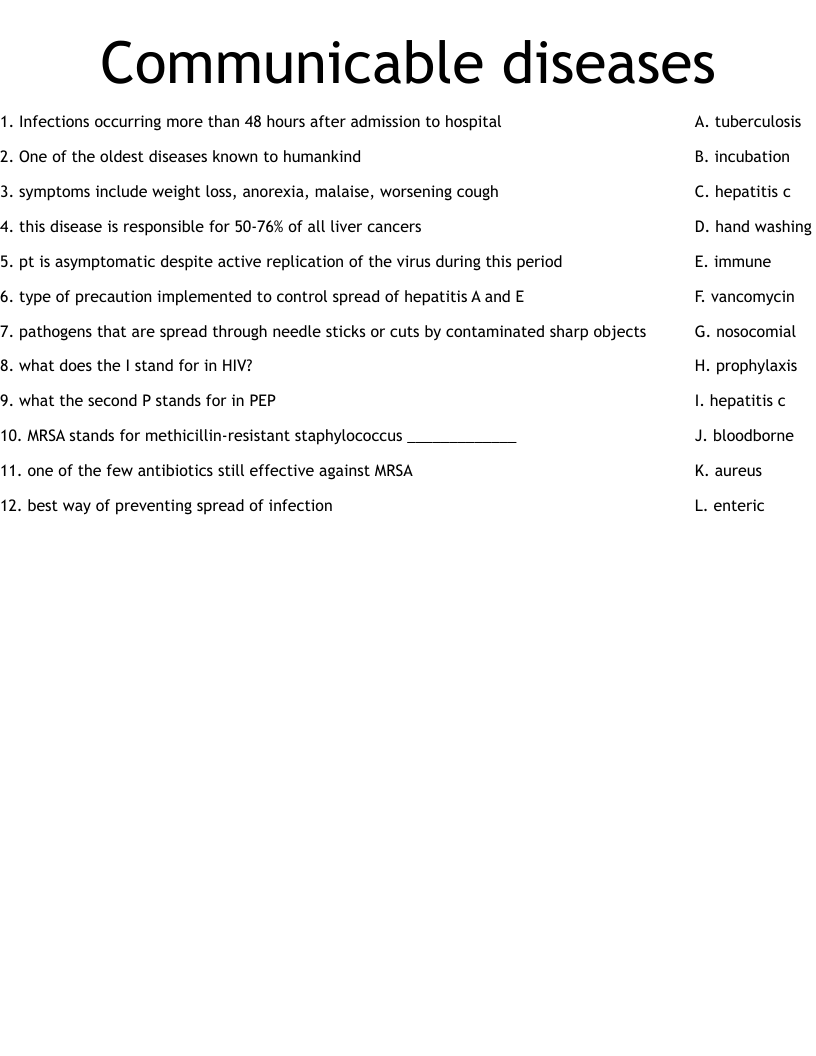
Communicable Diseases Worksheet WordMint